US Casino Slot Tournaments Strategy: The Math Behind Winning Compete Events
Most players walk into a slot tournament and treat it like a lucky draw—that is exactly why they lose. The core mechanism behind winning these events is not pure chance; it is a brutal calculation of score volatility, time-on-machine, and spin cadence. If you are still pulling the lever at a leisurely pace while the leaderboard climbs, you have already been mathematically eliminated. 😤
Slot tournaments run on a fixed clock, usually ten to fifteen minutes of qualifying play. Every second you waste between spins is a direct deduction from your expected score ceiling. The machines are often set to a tournament mode with inflated payout frequencies, but the variance is still wide. Your job is to maximize the number of spins per minute while keeping the reels cycling without hesitation. A player who hits thirty spins in sixty seconds will bury a player who manages twenty, regardless of base game luck. This is the first pillar of any serious US casino slot tournaments strategy.
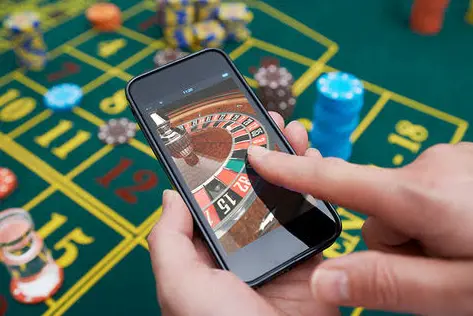
Spin Velocity and the Compete Events Clock
Tournament rigs are not the same as floor machines. The spin button is often mapped to a faster animation cycle, and the reels may skip certain anticipation sequences. The moment the clock starts, your finger should already be in motion. Do not wait for the previous spin to visually settle—queue the next one the instant the button re-engages. In most compete events, the software allows a rapid-fire input buffer, and exploiting that buffer is the difference between a mid-pack score and a podium finish. 🎰
Watch the players around you during the first two minutes. The ones tapping casually are donating their entry fee. The ones hammering the button with a fixed rhythm are the real threat. You need to match or exceed that rhythm. If a machine has an auto-spin feature, verify whether it counts toward your total spins or penalizes you with a slower cycle. Never assume—test it in a warm-up round before the real money is on the line.

Bankroll Discipline Inside the Tourney Format
Here is the part that separates the sharks from the fish: tournament entries are sunk costs, but the re-buy and add-on structure is where the real edge hides. Many US casino slot tournaments offer a single re-buy window midway through qualifying. If the prize pool is top-heavy, the re-buy is almost always mathematically justified. If the payout structure is flat and spreads across fifteen places, skip it and save your capital for the next event. Do the math on the payout curve before you ever sit down. 😑
The slot tournament bankroll is not about surviving a session—it is about exploiting the registration desk. Early-bird sign-ups often come with bonus chips or multiplier entries that other players ignore. Those multipliers compound your score ceiling without costing a dime. Scan the fine print on every event sheet, and never play the standard entry when a premium tier exists with a softer field and a steeper payout ratio.
Reading the Leaderboard and Timing Your Push
Leaderboards in live events update in waves, sometimes with a three-to-five minute lag. That lag is your weapon. If you are in the bottom third with four minutes left, you must abandon conservative play and chase the highest-volatility machine in the pit. Low-volatility machines preserve your score but cannot close a gap. High-volatility machines with stacked wilds and bonus triggers are the only path to a miracle run. The players who win these things are not lucky—they are ruthless about when to switch gears. 🧐
Final rounds often use a different machine set than qualifiers. Do not assume your qualifying rhythm translates directly. Walk the final-round pit before the session, identify the spin button responsiveness, and note whether the machines have a turbo toggle. A single second shaved off each spin across a twelve-minute final is worth roughly fifteen extra spins—and fifteen spins at tournament volatility is a massive edge.
The Hidden Edge: Machine Selection and RNG Seeding
Tournament machines are seeded differently than standard floor units. The RNG in tournament mode is often weighted toward more frequent bonus triggers to keep the crowd engaged and the leaderboard moving. That means machines with a visible bonus meter or a progressive multiplier are not just flashy—they are the mathematically correct choice. A machine that pays flat wins without a bonus round is a trap. Avoid it. The compete events format rewards players who understand where the variance is concentrated and lean into it hard.
One more thing the casual crowd never notices: the physical placement of machines in the tournament pit. Units near the aisle and the big screen draw more traffic and sometimes run on a separate server node with marginally faster response times. It sounds like superstition until you have watched a final round where the aisle-side machines consistently posted higher spin counts. Test it yourself. The data does not lie, and the players who track it are the ones cashing tickets while everyone else is still asking the floor manager for a drink.